
Description
Product Overview
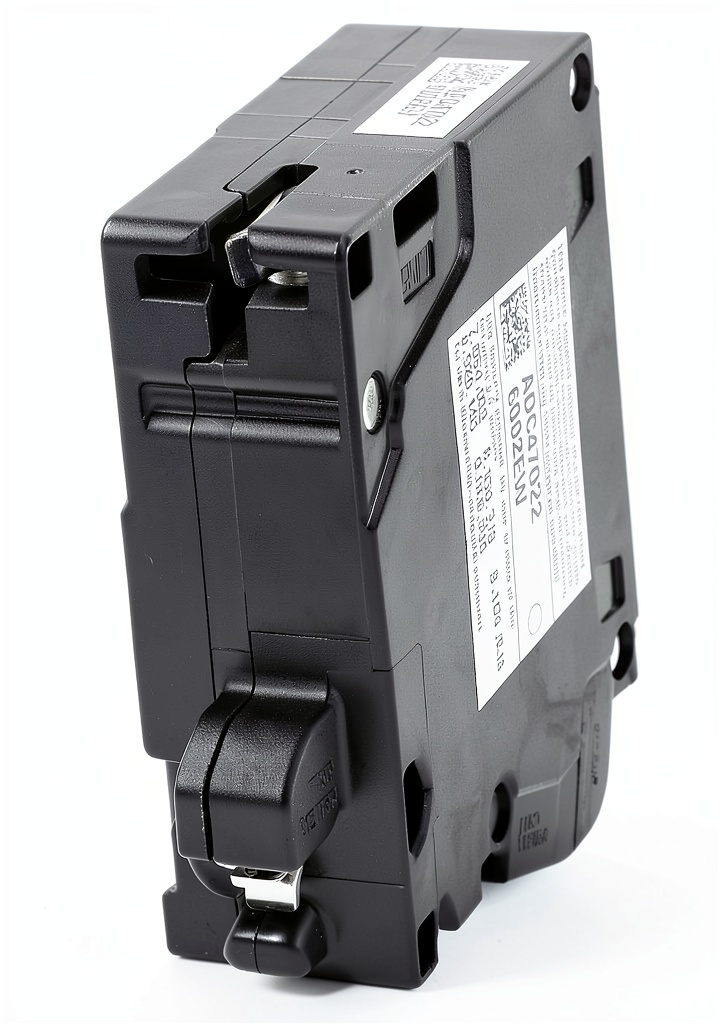
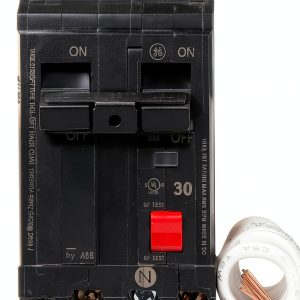
Siemens delivers a reliable solution for modern electrical panels with the 15 Amp 1 Pole GFCI Plug On Neutral Circuit Breaker. Engineered to meet the rigorous standards of the North American market, this breaker provides essential ground‑fault protection for residential circuits where safety is paramount. The unit carries the UL Listed designation, confirming compliance with the latest safety codes and guaranteeing performance under demanding conditions. Its compact black housing integrates seamlessly into standard panel layouts, while the copper internal components ensure excellent conductivity and long‑term durability.
Key technical specifications reinforce the breaker’s capability to safeguard both people and equipment. Rated for 15 Amps at 120 Volts, the device offers a 10,000 Ampere‑Interrupting‑Capacity (AIC) rating, providing a high level of fault tolerance before the breaker trips. The copper‑based contacts reduce resistance and heat buildup, extending service life even in high‑current environments. With a plug‑on neutral design, the breaker eliminates the need for a separate pigtail wire, simplifying wiring and reducing installation time. The unit’s dimensions of 3 × 1 × 3.5 inches allow it to fit comfortably within most panel enclosures without sacrificing space for other essential circuits.
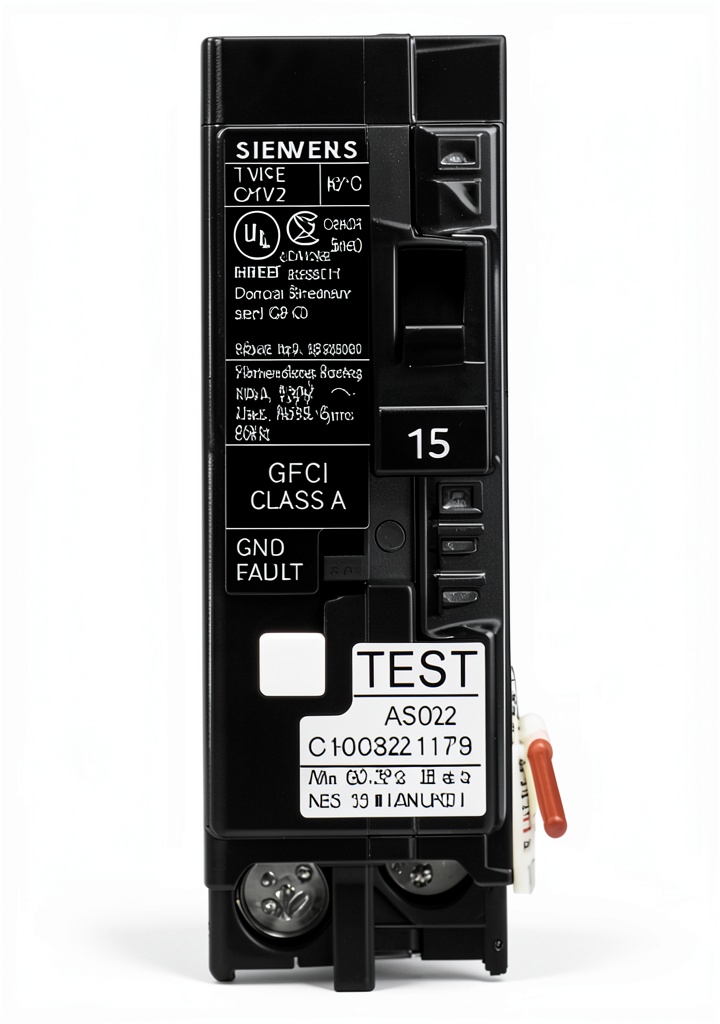
The Siemens QF115AN model is engineered for straightforward field installation. Technicians can simply pull the breaker from its packaging, align the plug‑on neutral pins with the panel’s neutral bus bar, and snap it into place, eliminating the time‑consuming steps associated with traditional pigtail breakers. This design not only speeds up the installation process but also reduces the potential for wiring errors, which can lead to costly rework or safety hazards. The clear labeling on the front of the unit indicates its rating and polarity, aiding rapid verification during both initial installation and future maintenance checks.
Compatibility with a wide range of load centers makes this breaker a versatile choice for both new construction and retrofit projects. It fits standard single‑pole breaker slots and works with panels that support plug‑on neutral configurations, including many models from leading manufacturers. The product dimensions of 3 × 1 × 3.5 inches and a weight of only 0.01 ounces ensure that the breaker does not add significant bulk or weight to the panel, preserving the overall balance and allowing additional circuits to be added as needed. The included instruction sheet provides step‑by‑step guidance, further simplifying the installation for DIY enthusiasts and professional electricians alike.
Beyond its functional performance, the Siemens GFCI breaker is manufactured with environmental responsibility in mind. The unit’s copper contacts are sourced from recycled materials whenever possible, reducing the demand for virgin metal extraction and lowering the overall carbon footprint of production. The plastic housing is made from a flame‑retardant, recyclable polymer that meets RoHS directives, ensuring that hazardous substances are minimized. Siemens also adheres to strict waste‑management protocols at its facilities, allowing end‑of‑life breakers to be reclaimed and processed in accordance with industry recycling standards. This commitment to sustainability aligns with the growing expectations of eco‑conscious consumers who seek products that not only protect their homes but also contribute to a greener future.
The QF115AN model carries additional certifications that reinforce its reliability in demanding environments. It is HACR (High‑Ampere Current Rating) and SWD (Short‑Circuit Withstand) rated, indicating that the breaker can endure short‑circuit currents well beyond its nominal interrupting capacity without compromising its structural integrity. These ratings are especially valuable in commercial or industrial settings where fault currents can be unusually high. Moreover, the breaker meets the stringent requirements of the Canadian Standards Association (CSA) and conforms to IEC 60947‑2 standards, providing cross‑regional compatibility for installers who work on both U.S. and Canadian projects. Such comprehensive compliance ensures that the product delivers consistent protection regardless of the jurisdiction in which it is deployed.
Installation of the Siemens 15 Amp GFCI breaker follows a clear, step‑by‑step process that emphasizes safety and compliance. Begin by turning off the main breaker to de‑energize the panel, then remove the panel cover to access the bus bars. Identify an empty single‑pole slot and align the breaker’s plug‑on neutral pins with the neutral bus bar, ensuring a firm connection. Insert the breaker into the slot, press it firmly until it clicks into place, and verify that the handle is in the “ON” position. Finally, restore power by turning the main breaker back on and perform a functional test using the built‑in test button. Following these steps guarantees a secure installation that meets NEC requirements and minimizes the risk of accidental shock.
Usage
In residential settings, the Siemens 15 Amp GFCI breaker is ideally suited for protecting circuits that serve kitchens, bathrooms, garages, and outdoor outlets where the risk of water exposure is high. By continuously monitoring the current flow, the breaker detects imbalances caused by ground faults and trips within milliseconds, preventing electric shock and reducing the likelihood of fire. Homeowners benefit from the peace of mind that comes with a reliable protective device, especially in areas where appliances such as dishwashers, washing machines, and electric vehicle chargers draw significant power.
Professional electricians appreciate the plug‑on neutral feature because it streamlines the wiring process and reduces the chance of mis‑connecting the neutral conductor. When installing the breaker, the technician simply aligns the neutral pins with the panel’s neutral bar and secures the unit, eliminating the need to splice a separate pigtail. This not only saves valuable labor time but also improves overall system reliability by maintaining a solid, low‑impedance path for neutral current. The breaker’s UL‑listed status ensures that it meets the National Electrical Code (NEC) requirements for GFCI protection in both new builds and remodels.
Routine maintenance and testing are straightforward with the Siemens GFCI breaker. The built‑in test button allows users to verify proper operation without removing the device from the panel, providing a quick diagnostic tool for homeowners and service technicians alike. If a ground fault is detected during testing, the breaker will trip, confirming that the protective mechanism is functional. This feature simplifies compliance checks during periodic inspections and helps ensure that the circuit remains safe throughout its service life.
Electric vehicle (EV) charging stations and pool pump circuits are among the modern loads that benefit from GFCI protection. Installing the Siemens 15 Amp GFCI breaker on an EV charger circuit ensures that any ground‑fault condition caused by moisture ingress or cable damage is promptly cleared, safeguarding both the vehicle’s charging system and the home’s electrical infrastructure. Similarly, pool pumps operate in wet environments where the risk of leakage is elevated; a dedicated GFCI breaker provides an extra layer of defense, preventing dangerous shock hazards for swimmers and maintenance personnel. By integrating this breaker into such high‑risk applications, homeowners can meet local code requirements while enjoying the convenience of advanced electrical safety.
Troubleshooting a tripped GFCI breaker is straightforward, but understanding the underlying cause can prevent recurring issues. After a trip, first verify that no appliances are currently drawing power; unplug any devices and reset the breaker to see if it holds. If the breaker trips again, inspect the wiring for signs of moisture, damaged insulation, or loose connections that could create a ground fault. Using a multimeter, measure the continuity between the hot and neutral conductors; any unexpected reading indicates a fault that must be addressed before resetting. In persistent cases, consult a qualified electrician to perform a detailed fault analysis and ensure that the breaker and associated circuitry are operating correctly.
Why Choose Us
Siemens is a globally recognized brand with a legacy of engineering excellence in electrical components. The company’s commitment to quality is reflected in the rigorous testing and certification processes applied to every circuit breaker it produces. By choosing the Siemens 15 Amp GFCI plug‑on neutral breaker, customers receive a product that adheres to the highest industry standards, offering dependable performance that can be trusted in critical applications such as kitchen appliances, bathroom lighting, and outdoor power outlets.
The product is backed by a one‑year limited warranty that covers manufacturing defects, providing added confidence for both DIY homeowners and professional installers. Siemens also offers responsive technical support, ensuring that any questions regarding installation, code compliance, or troubleshooting are addressed promptly. This level of after‑sales service distinguishes the Siemens offering from many generic alternatives, reinforcing the value proposition for customers who prioritize long‑term reliability and peace of mind.
At a price point of $34.45, the Siemens 15 Amp GFCI breaker delivers exceptional value compared to competing models that often cost significantly more for similar performance. The combination of UL certification, copper contacts, high interrupting capacity, and plug‑on neutral convenience makes this breaker a cost‑effective solution for anyone looking to upgrade their electrical system without compromising safety. Whether outfitting a new home or retrofitting an older panel, the investment in this breaker pays dividends in reduced risk and simplified maintenance.
Siemens’ dedication to sustainability extends beyond product materials to its corporate practices. The company invests in renewable energy sources for its manufacturing plants, aiming to reduce greenhouse‑gas emissions across its supply chain. Additionally, Siemens participates in take‑back programs that allow customers to return end‑of‑life electrical components for proper recycling, minimizing landfill waste. By choosing a Siemens breaker, consumers align themselves with a brand that prioritizes environmental stewardship, supporting initiatives that protect natural resources while delivering high‑performance electrical solutions. This holistic approach resonates with buyers who value both safety and ecological responsibility.
The long‑term cost benefits of the Siemens 15 Amp GFCI breaker become evident over the product’s lifespan. Its robust copper contacts and high interrupting capacity reduce the likelihood of premature failure, meaning fewer replacements and lower maintenance expenses. The plug‑on neutral design also cuts labor costs during installation, as electricians can complete the job more quickly than with traditional pigtail breakers. Combined with the one‑year warranty and responsive technical support, the total ownership cost remains competitive, delivering reliable protection without imposing a financial burden on homeowners or contractors.
Key Features
- Plug‑on neutral design eliminates the need for a separate pigtail, reducing installation time and minimizing wiring errors for faster, safer circuit setup.
- UL listed copper contacts provide superior conductivity and heat resistance, ensuring long‑term reliability even under high‑current demand.
- 10,000 AIC rating offers high fault tolerance, protecting equipment and occupants from severe ground‑fault events.
- Compact 3 × 1 × 3.5 inch footprint fits standard panels without sacrificing space for additional circuits.
- Backed by a one‑year warranty and Siemens technical support, ensuring reliable after‑sales service and assistance.
FAQ
Can this breaker be used in panels that do not have a plug‑on neutral bus?
The Siemens QF115AN is specifically designed for panels equipped with a plug‑on neutral bus. In panels without this feature, the breaker cannot be installed because there is no dedicated neutral connection point for the plug‑on pins. However, many modern residential panels include a neutral bus that supports plug‑on devices, and the breaker can be used in those configurations. If your panel lacks a plug‑on neutral, you would need to use a traditional GFCI breaker with a pigtail or consider upgrading the panel to a model that supports plug‑on neutral installations.
What is the procedure to test the GFCI function after installation?
After the breaker is securely installed, press the built‑in test button on the front of the unit. This simulates a ground‑fault condition, causing the breaker to trip and open the circuit. Verify that the downstream outlets lose power, confirming that the protection is active. Reset the breaker by moving the handle to the “ON” position, then restore power to the circuit. It is recommended to perform this test monthly to ensure continued functionality, and any failure to trip should be addressed immediately by contacting Siemens technical support or a qualified electrician.
Is this breaker compatible with 240‑volt circuits?
The Siemens QF115AN is rated for 120‑volt operation and is intended for single‑pole applications. It is not suitable for 240‑volt circuits, which require a two‑pole breaker with appropriate voltage rating. Attempting to use this breaker on a 240‑volt circuit could result in improper protection and potential safety hazards. For 240‑volt applications, select a Siemens two‑pole GFCI breaker that matches the required amperage and voltage specifications.
What does the 10,000 AIC rating mean for my home’s safety?
A 10,000 AIC (Ampere‑Interrupting‑Capacity) rating indicates the maximum fault current the breaker can safely interrupt without damage. In the event of a severe short circuit or ground fault, the breaker can handle up to 10,000 amps of fault current, protecting the wiring and connected devices from catastrophic failure. This high interrupting capacity provides an extra margin of safety, especially in older homes where fault currents can be higher than in newer constructions, ensuring that the breaker will trip reliably before the excess energy causes fire or equipment damage.
Reviews
There are no reviews yet.